- Use Code: EASY30 for 30% OFF only on Platinum Membership
- For Limited Time Only

MRR Products To Resell
If you’re looking for the best MRR products to resell online, you’re in the right place. MRR products allow you to sell digital products and keep 100% of the profits without creating anything yourself.
MRR Products Explained (2026): Buy, Sell & Profit With Master Resell Rights
Master Resell Rights products have become a serious opportunity for digital entrepreneurs in 2026. Whether you’re a beginner looking for your first income stream, an agency wanting to expand your service offerings, or a side hustler testing new markets, MRR products offer a legitimate path to profitability without the heavy lifting of creating content from scratch.
This guide walks you through everything you need to know: what MRR products actually are, how to identify winners, where to buy them legitimately, and the strategies that actually convert into consistent sales.
What Are MRR Products? (A Beginner-Friendly Breakdown)
Let’s start with the basics. Master Resell Rights (MRR) is a type of digital product license that allows you to do two things simultaneously: resell the product to customers and grant those same reselling rights to your buyers.
Think of it like this. You purchase an MRR ebook for $27. The license permits you to sell it for whatever price you set—$47, $97, or even $197. You keep 100% of the revenue. But here’s the master part: your customers can also turn around and sell that same ebook to others, with identical rights. This creates a network effect where value multiplies through distribution.
The Core Permissions You Get with MRR Products
When you buy an MRR product, your license agreement typically grants you:
The ability to resell the product as-is (unchanged) to unlimited customers. Complete pricing freedom—you set the price, not the original creator. The right to pass reselling rights to your customers, turning them into potential resellers themselves. Permission to bundle MRR products together into packages. The legal authority to operate across most platforms (though some have restrictions).
What You Cannot Do with MRR Products
Understanding the limits is equally important. With MRR, you generally cannot modify, edit, or rebrand the product’s core content. You can add bonuses or your own materials, but the original product stays intact. You cannot claim authorship or ownership of the original content—the creator maintains that. You cannot remove or alter the creator’s branding from the original product. Some licenses restrict distribution to specific platforms or geographic regions (always check your agreement).
How MRR Products Work (Step-by-Step)
The business model is refreshingly simple, and that’s exactly why it appeals to entrepreneurs worldwide.
Step 1: Purchase an MRR product You find a product on a marketplaces that solves a problem for your target audience. You verify the license terms are legitimate. You purchase the product rights.
Step 2: You receive access and the license The creator provides you with the complete digital files (PDF ebook, video course, software, templates, etc.) and a copy of your license agreement showing you have reselling rights.
Step 3: Set your price and create your sales page This is where strategy matters. You research competitor pricing, consider your audience’s willingness to pay, and set a price point. You create a simple sales page describing the benefits, not just the features. You can add bonuses to increase perceived value.
Step 4: Market and sell to customers You promote the product through email, social media, content marketing, or paid advertising. You handle the transaction and delivery. You keep all the profit.
Step 5: Your customers can resell it too If you sold it as MRR (passing rights along), your customers now have the same opportunity you did. This creates an expanding network of resellers.
The beauty of this model is that you’re not building a one-time sale—you’re potentially creating multiple revenue streams from a single product while building an affiliate-style network below you.
Types of MRR Products You Can Sell Today
The MRR market has expanded significantly. Understanding what’s actually selling helps you choose products with real demand rather than taking a gamble.
High-Demand MRR Digital Products
MRR Ebooks and Guides These remain the most common entry point. Think business guides, productivity systems, niche how-tos, and problem-solving manuals. They’re inexpensive to acquire, require minimal support, and sell consistently across markets. Expect pricing between $17-$97 for end customers.
Online Courses and Training Programs Video-based courses with modules and worksheets command higher prices and perceived value. These perform well because buyers are investing time and money seriously. Most successful course resellers price between $47-$297 depending on topic and depth.
Website and Landing Page Templates Agencies and entrepreneurs constantly need templates to accelerate their workflow. Pre-built Wordpress themes, Elementor designs, Figma prototypes, and Webflow templates all have proven demand.
Canva Templates and Design Assets The explosion of visual content creation has made this category explosive. Social media templates, presentation decks, graphics packs, and branding kits sell well because they save designers hours of work. Many resellers see consistent monthly sales with these.
Social Media Content Kits and Bundles Done-for-you captions, graphics, content calendars, and posting schedules appeal to busy entrepreneurs. These are particularly effective when bundled into monthly subscriptions or packages.
Software Scripts and Plugins Technical products like email marketing scripts, WordPress plugins, membership software, and small utility tools have smaller markets but higher profit margins. These typically require more technical explanation but attract serious buyers.
Email Sequences and Funnels Pre-written email campaigns, sales funnels, and marketing sequences solve a real problem for marketers who lack copywriting skills.
The key pattern: the best sellers solve specific problems for defined audiences. Generic products struggle because buyers have endless options.
Best MRR Products to Buy in 2026
Not all MRR products are created equal. The difference between products that sell 3 copies and 300 copies often comes down to these factors.
Best MRR Products for Beginners
If you’re just starting, look for products that check these boxes: minimal technical setup required, no platform restrictions limiting where you sell, proven demand signals in your target market, clear license allowing bonuses and bundling, and active creator support or community around the product.
Ebooks on productivity, business fundamentals, and niches like freelancing, virtual assistance, and side hustles consistently perform for beginners because demand is stable and competition doesn’t solely depend on marketing sophistication.
High-Profit MRR Products
Profit doesn’t just mean price—it means price combined with conversion rate and volume. The highest performers tend to be:
Product Bundles A bundle combining 3-5 related MRR products (like “Complete Email Marketing Bundle” containing a guide, templates, sequences, and swipe files) commands 2-3 times higher pricing because of perceived value. You can charge $97-$297 legitimately. Many resellers build 30-50% profit margins on bundles.
Comprehensive Courses Quality video courses with multiple modules, worksheets, and bonuses justify premium pricing. Positioning matters enormously here. The same course marketed as “Learn Email Marketing” might struggle at $97, but reframed as “The Email Marketing Blueprint for Agencies” can command $297.
Website and Business Kits Complete kits combining WordPress themes, plugins, email sequences, sales pages, and landing pages appeal to entrepreneurs building from scratch. These naturally command higher prices because of the multiple components included.
MRR Products That Actually Sell (Market Validation Signals)
Before purchasing, look for these indicators of genuine demand:
Sales page evidence Visit the original creator’s sales page (often linked in the marketplace). Does it look professional? Does it have customer testimonials? These suggest the product has real customers, not just hype.
Creator reputation How long has this creator been in the space? Do they have other successful products? A creator with multiple successful launches suggests quality standards.
Niche demand data Use Google Trends to confirm your target audience actually searches for solutions to the problem this product solves. Are search volumes increasing or declining?
Marketplace reviews If you’re buying from IDPLR, CartMango, or similar platforms, check buyer reviews from other resellers. Common complaints about thin content, outdated information, or poor structure are red flags.
Community validation Search Facebook groups, Reddit, and forums in your niche. Are people mentioning this type of product positively? Are they asking for solutions this product addresses?
Products addressing “evergreen” problems (productivity, business building, skill development, income generation) outperform trendy topics that fade quickly.
Where to Buy Legitimate MRR Products
This section matters more than most people realize. Buying from the wrong source exposes you to legal risks, low-quality products, and unclear licensing.
What Makes an MRR Product Legitimate
A legitimate MRR product comes with a clear, documented license agreement specifying exactly what you can and cannot do. The creator or marketplace provides your proof of purchase, which serves as your license. The product has been created by the original author, not stolen from elsewhere. The marketplace or creator has been operating for at least 2-3 years with consistent customer support.
Legitimate sellers also avoid unrealistic promises. If someone claims you’ll earn $10,000 monthly from a $17 product with no work, it’s a red flag. Real opportunity requires real effort.
Red Flags to Avoid in MRR Products
Avoid products from sellers with no verifiable history or reviews. Skip products with vague license terms or licenses that don’t explicitly mention reselling rights. Don’t purchase if the product content appears plagiarized or AI-generated without disclosure. Be cautious of bundles priced suspiciously low (like $5 for 50 MRR products)—these often contain low-quality or even pirated content. Steer clear of sellers using pressure tactics (“Limited time only! Only 10 copies left!”)—legitimate businesses don’t fear losing customers this way.
Your Pre-Purchase Checklist for MRR Products
Before clicking “Buy,” verify:
-
License agreement explicitly allows Master Resell Rights
-
License permits passing reselling rights to customers
-
License allows bundling with other products
-
License allows selling across your chosen platform(s)
-
License allows you to add bonuses or complementary materials
-
Refund policy exists if the product is defective or misrepresented
-
Creator contact information is available for support questions
-
Product format works with your distribution system (downloadable files, not account access)
Trusted Sources for MRR Products in 2026
The landscape has matured. Here are sources that have consistently delivered legitimate products:
Direct Creators Many product creators sell directly from their websites with documented MRR licenses. Benefit: you get creator support. Drawback: you need to find them through marketing communities or direct relationships.
Established Digital Product Platforms CartMango, Gumroad, and Whop host numerous MRR sellers. These platforms verify seller credentials and handle disputes. Quality varies, but platform accountability matters.
Curated MRR Marketplaces IDPLR, BigProductStore, ContentSparks, and PLR.me specifically focus on resellable content. They curate selections and verify licenses. Higher standards typically mean better products.
Private Forums and Communities Digital product communities on Facebook and membership sites sometimes offer MRR products with detailed license terms. These tend to have lower volume but higher quality.
One critical tip: start small. Buy 2-3 products from any new source before committing to larger purchases. This lets you verify quality, check license legitimacy, and understand their support level.
How to Sell MRR Products Online
Now the crucial part: actually moving inventory and generating sales. The product quality matters, but marketing skill determines success.
Sell MRR Products on Your Own Website
This gives you complete control over messaging and customer experience.
Shopify stores are popular because they handle payments, delivery (digital file hosting), and customer data. Setup takes a few hours. You can integrate email capture for list building. Expect to pay $29-$299 monthly depending on your traffic.
WordPress with WooCommerce offers similar functionality with more customization. This approach works best if you already have WordPress hosting. It requires more technical setup but offers maximum flexibility.
Standalone sales pages using tools like ConvertKit, Leadpages, or Instapage let you create single-product campaigns. This works particularly well if you’re testing a specific product before committing to full infrastructure.
Email marketing integration is essential. Capture buyer emails so you can promote future products, build relationships, and increase customer lifetime value. This alone often doubles your long-term revenue compared to one-time transactions.
Sell Via Digital Marketplaces
Gumroad, Etsy, and Podia have built-in audiences searching for digital products.
Pros: Millions of potential customers already browsing. Platform handles payments and delivery. You avoid building your own sales infrastructure. Lower startup costs.
Cons: Platform takes commissions (typically 5-8% for Gumroad, 6.5% for Etsy). You can’t collect customer emails directly in some cases. Competition is fierce because barriers to entry are low. Platforms can change commission rates or policies suddenly.
Platform-specific restrictions: Etsy permits digital products but has specific rules about what qualifies as MRR. Gumroad is reseller-friendly. Podia allows MRR sales but expects you to comply with platform terms.
Sell Using Funnels & Email Marketing
This approach creates leverage by building assets beyond a single product.
Lead magnets (free templates, guides, checklists related to your niche) capture interested prospects. Once on your email list, you can sell MRR products gradually without constant advertising spend.
Upsells and order bumps let you offer complementary MRR products after purchase. If someone buys an email marketing ebook, upselling a template bundle at the checkout increases transaction value by 30-50%.
Bundling strategy combines 3-5 related MRR products into one offer. A bundle priced at $97 containing separate products feels more valuable than selling each at $19. This approach increases perceived value without increasing your costs.
Email marketing platforms like ConvertKit, Substack, or ActiveCampaign make this straightforward. You build sequences nurturing prospects toward purchase, retargeting those who viewed your sales page, and launching periodic promotions.
MRR Products Business Models (Beyond Simple Resale)
Successful entrepreneurs don’t just resell—they architect business models around MRR.
Single Product Store
Pick one high-demand MRR product. Build an entire brand around solving that specific problem. Price it premium. Invest in serious marketing. This works for products with high initial demand and proven buyer markets. Example: positioning a productivity course as “The Complete Time Management Blueprint for Entrepreneurs” and investing in paid ads and email sequences generates consistent sales.
Bundle Strategy
Combine 3-5 complementary MRR products into themed bundles. Create separate bundles for different customer segments. Price bundles 2-3 times higher than individual products. This approach increases value perception, improves conversion rates, and differentiates you from other resellers selling identical individual products.
Membership Model
Package MRR products as recurring monthly benefits. Charge $19-$97 monthly and deliver a new or rotated MRR product each month. This creates predictable recurring revenue and increases customer lifetime value. Members feel invested because they receive ongoing value.
Lead-Generation + Upsell Model
Give away valuable free MRR content (guides, templates) to build an email list. Nurture the list with free value and soft product mentions. Convert to paying customers with paid MRR products. This builds authority while generating passive leads for your sales funnel.
MRR vs PLR vs Affiliate Marketing (The Real Differences)
Clear distinctions matter here because the business model fundamentally changes based on which you choose.
| Factor | MRR | PLR | Affiliate Marketing |
|---|---|---|---|
| Profit Margins | 50-80% (you keep all sales revenue) | 50-80% after customization work | 10-40% commission only |
| Control | Limited (can’t modify product) | Complete (edit, rebrand everything) | None (promoting others’ products) |
| Scalability | High (same product sells forever) | High (customize for multiple markets) | Unlimited (no inventory limits) |
| Branding | Difficult (creator’s branding remains) | Excellent (claim as your own) | Someone else’s brand |
| Time Investment | Low (marketing focused) | High (creation/customization required) | Moderate (mainly marketing) |
| Recurring Revenue Potential | Low (single transactions) | Low (single transactions) | Potential if commission-based recurring |
| Legal Flexibility | Restricted (must follow license) | Flexible (you own customized version) | Very flexible (no IP involvement) |
| Best For | Quick income, multiple product launches | Building a unique brand, long-term positioning | Passive income, no fulfillment responsibility |
MRR makes sense if you want to launch multiple products quickly, keep maximum profit, and focus on marketing skill rather than creation.
PLR makes sense if you want to build a distinct brand voice, are willing to invest time customizing, and plan to position yourself as a unique expert.
Affiliate marketing makes sense if you prefer passive income, have established audience trust, and want to avoid any product responsibility.
Many successful entrepreneurs use all three, strategically deploying each where it performs best.
Legal Rules & License Terms You Must Know
This section prevents costly mistakes. MRR involves intellectual property, and violating license terms creates serious problems.
What MRR Licenses Usually Allow
The ability to resell the product to unlimited customers without volume caps. Setting your own pricing (though some licenses specify minimum prices). Passing Master Resell Rights to your customers, extending the resale chain. Bundling the MRR product with other products. Adding bonuses (your own materials, complementary resources). Selling across multiple platforms (unless your license specifies restrictions). Using the product in your business to create content or services (if the license permits).
Common Restrictions
No modification of the original product content. You cannot edit, rewrite, or alter the core material. No claiming authorship or ownership of the original work. You must maintain creator attribution and original branding. No removing or obscuring the creator’s information. Restricted resale in certain geographic regions (some licenses exclude particular countries). Limited distribution channels (some licenses prohibit selling on specific platforms like Etsy). Prohibition against reverse engineering software or accessing source code. No extracting and republishing individual components.
Can You Rebrand or Modify MRR Products?
This is where MRR and PLR diverge critically. With MRR, the answer is generally no—you cannot modify the core product. However, you can add significant value without modifying:
Creating custom bonuses (your own templates, guides, resources) that accompany the core product. Packaging the product with complementary MRR items into a bundle with new branding. Wrapping the product with your own sales page, video introduction, or case study. Building courses or additional materials around the product’s content. Creating upsell sequences to sell related products after the initial purchase.
If you need to modify or rebrand extensively, you actually want PLR (Private Label Rights), not MRR.
Common Mistakes People Make With MRR Products
Learning from others’ failures accelerates your success.
Mistake 1: Selling Without Understanding Your License
The most expensive error. You purchase a product, start selling aggressively, then discover the license prohibits selling on Etsy (your main channel), restricts pricing, or has other limitations you missed. Always read the complete license agreement before purchase. Keep it in a folder for reference. When in doubt, email the creator.
Mistake 2: Competing Only on Price
When multiple people sell the same MRR product, pure price competition destroys everyone’s margins. The cheapest reseller still faces pressure from the next cheaper option. Instead, differentiate through positioning, bonuses, packaging, and audience targeting. Position the same productivity course as “Email Marketing Framework for SaaS Founders” (specific) rather than “Productivity Course” (generic). Charge premium pricing for positioning, not just the base product.
Mistake 3: No Branding or Personal Connection
Generic product pages convert poorly. Buyers don’t trust faceless sellers. Build authority by sharing your experience, results, or philosophy. Even a simple photo, brief bio, and testimonials dramatically increase conversion rates. Include a simple “Who I Am” section explaining why you recommend this product. Share one case study or example showing results from using the product. Respond personally to inquiries rather than automating everything.
Mistake 4: Poor Product Presentation and Sales Page
The same product sells dramatically differently depending on how it’s presented. A sales page with clear benefits, social proof, and a compelling offer converts 3-5 times better than a basic listing.
Write a benefit-focused headline (“Earn Your First $1,000 Online in 90 Days” vs. “$1,000 Income Course”). Include real testimonials from successful users. Show exactly what’s included with clear module or section breakdowns. Explain the transformation: where the buyer is now vs. where they’ll be after. Create urgency with bonuses (limited-time guides, templates, resources) that expire.
Mistake 5: Inadequate Marketing
Great products don’t sell themselves. You could buy the highest-quality MRR product and earn nothing if nobody knows about it. Plan to invest 70% of your effort in marketing, 30% in product and operations. Use multiple channels: email sequences nurturing your list, social media content in your niche, paid advertising (Facebook ads, Google ads) if your margins support it, affiliate partnerships with influencers in your space, content marketing (blogs, YouTube) establishing authority.
Are MRR Products Worth It in 2026? (An Honest Assessment)
The answer isn’t simple—it depends entirely on your situation and expectations.
When MRR Works Best
For beginners wanting to validate a niche quickly without creating products from scratch. You can test market demand with minimal investment.
For agencies and service providers needing productized services or lead magnets to scale beyond hourly billing. You can resell templates, guides, or courses as bonus deliverables.
For side hustlers who want passive income without years of product development. You can launch your first digital product in weeks.
For people in proven niches where demand is stable and multiple profitable resellers already exist. You can capitalize on demand someone else validated.
For building email lists by offering affordable lead magnets from MRR sources. You can give away $19 ebooks to build your list for higher-value offerings.
When MRR Is NOT a Good Idea
If your goal is rapid wealth or working completely passively. Most MRR resellers earn $200-$2,000 monthly, not the “$10,000 passive income” promised in hype marketing.
If you lack marketing skills or audience and have no budget for paid advertising. The product doesn’t sell itself. You need either an existing audience or money for ads.
If you’re in an oversaturated niche where 50+ resellers sell identical products. You’ll struggle competing unless you invest heavily in differentiation and marketing.
If you want long-term brand positioning and equity. You’re essentially reselling others’ intellectual property. Your business is fragile because the creator could change terms, go out of business, or license products more restrictively.
If you have limited capital and need survival income. MRR success requires 3-6 months of consistent marketing effort before significant revenue appears.
Who Should Avoid MRR
Perfectionism-prone entrepreneurs spend months trying to optimize an MRR business that needs personality and action instead. Idea-jumping people starting projects every month but never seeing them through. Those expecting passive income without any work—you will disappoint yourself. People in niches where you lack genuine interest or expertise—authenticity matters for marketing.
Frequently Asked Questions About MRR Products
Are MRR Products Legal?
Yes, completely. Master Resell Rights is a legitimate licensing model recognized by intellectual property law. You’re purchasing specific reselling rights from product creators. The legal framework supports this because the creator voluntarily grants rights, and you comply with the license terms. However, legality requires purchasing from legitimate sources with documented licenses and respecting all restrictions. Buying from unauthorized resellers or pirated sources is illegal.
Can I Sell MRR Products on Etsy?
Yes, but with restrictions. Etsy permits digital products, including MRR. However, your MRR license must allow Etsy sales specifically (some restrict to only selling from your own website). Check your license agreement before listing. Etsy takes a commission and has specific policies about what constitutes “acceptable” digital products. Support expectations are higher on Etsy, so ensure the MRR product is high-quality.
Do I Need a Website?
Not required. You can sell on Gumroad, Etsy, Podia, or marketplace platforms without a website. However, a website helps because you control the customer experience, can collect emails directly, and build authority. Many successful resellers operate through marketplaces initially, then build websites once they have validated demand. A simple landing page costs $5-20 monthly using tools like Webflow or WordPress.
How Much Can I Actually Make?
Earnings vary enormously. A realistic range: many resellers earn $500-$2,000 monthly from 1-3 products after 3-6 months of marketing effort. Some earn $5,000+ monthly by managing multiple products, building email lists, and systematizing their marketing. Income depends more on your marketing skill and audience than the product itself. The best resellers treat this like a business, not a get-rich scheme.
Can I Bundle MRR Products?
Absolutely. Bundling is actually a superior strategy because it increases perceived value and allows premium pricing. You can bundle 3-5 complementary MRR products into themed packages. Some licenses restrict bundling, so verify your agreements first. Bundled pricing can be 2-3x higher than individual products because bundles feel like complete solutions rather than standalone products.
Are MRR Products Actually Saturated?
Saturation depends entirely on your niche. Broad categories like “productivity” or “making money” are incredibly crowded. Specific niches like “LinkedIn marketing for B2B service providers” or “Instagram strategy for fitness coaches” have less saturation and more defined audiences. Saturation isn’t a dealbreaker if you position yourself differently or build genuine audience connection. Many successful resellers operate in saturated markets by focusing on marketing excellence rather than assuming product novelty.
Conclusion: Your Next Step
Master Resell Rights products offer a legitimate pathway to digital income if you understand the real opportunity: it’s a marketing business, not a passive income shortcut.
The product itself contributes maybe 20% to success. The other 80% comes from understanding your audience, communicating value clearly, building trust through positioning, and showing up consistently in marketing.
Start by identifying one high-demand product in a niche you understand. Purchase from a trusted marketplace after vetting the license. Create a simple sales page explaining benefits to your specific audience. Commit to 60 days of marketing through your strongest channel (email, social media, or ads). Track what works, refine, and scale the winners.
Success with MRR products isn’t guaranteed, but the pathway is proven. Thousands of entrepreneurs earn genuine income using this model. The key is approaching it as a real business requiring real marketing skill, not as a passive income miracle.
Your next move: identify your niche, verify market demand using Google Trends or community validation, then purchase one product from an established marketplace. The learning from actually running the business matters infinitely more than perfect planning.
Showing 1–18 of 57 resultsSorted by latest
-
-84%
 Bundles
30,000+Awesome Faceless Reels Bundle! Faceless Instagram Reels with Master Resell Rights PLR Resell
Rated 4.56 out of 59 reviews$ 89.00Original price was: $ 89.00.$ 14.00Current price is: $ 14.00. -
-79%
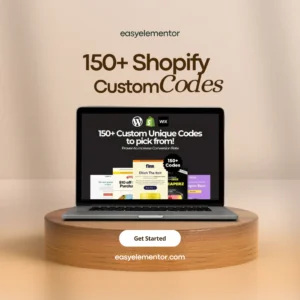 Shopify Themes
150+ Shopify Custom Codes with MRR & PLR Rights
Rated 0 out of 5$ 67.00Original price was: $ 67.00.$ 14.00Current price is: $ 14.00. -
-40%
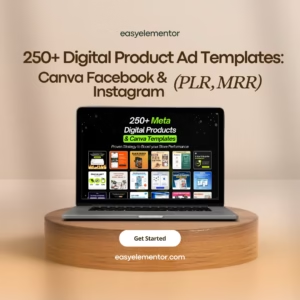 Design Bundles
250+ Digital Product Meta Ads Template: Canva Facebook & Instagram (PLR, MRR)
Rated 0 out of 5$ 25.00Original price was: $ 25.00.$ 15.00Current price is: $ 15.00. -
-60%
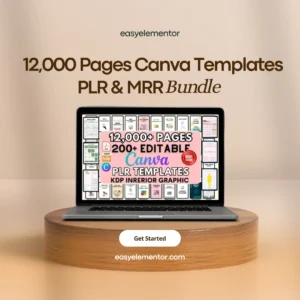 Design Bundles
12000+ Pages Canva PLR Planner Templates with MRR Rights
Rated 4.64 out of 528 reviews$ 35.00Original price was: $ 35.00.$ 14.00Current price is: $ 14.00. -
-88%
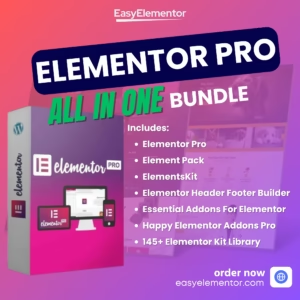 Bundles
Elementor Pro MRR & PLR Bundle (All in One) with 145+ Kit Library
Rated 0 out of 5$ 150.00Original price was: $ 150.00.$ 18.00Current price is: $ 18.00. -
-54%
 Bundles
4000+ WordPress Themes & Plugins MRR & PLR Bundle
Rated 4.83 out of 518 reviews$ 97.00Original price was: $ 97.00.$ 45.00Current price is: $ 45.00. -
-59%
 Bundles
500 Elementor Pro Templates With MRR & PLR
Rated 4.46 out of 524 reviews$ 37.00Original price was: $ 37.00.$ 15.00Current price is: $ 15.00. -
-57%
 Bundles
2000+ WordPress Templates MRR & PLR Rights
Rated 4.58 out of 524 reviews$ 35.00Original price was: $ 35.00.$ 15.00Current price is: $ 15.00. -
-63%
 Bundles
200+ Amazing Elementor Template Kits MRR & PLR Bundle
Rated 4.59 out of 522 reviews$ 38.00Original price was: $ 38.00.$ 14.00Current price is: $ 14.00. -
-59%
 Bundles
18+ JetPlugins by Crocoblock MRR & PLR Rights
Rated 4.68 out of 522 reviews$ 37.00Original price was: $ 37.00.$ 15.00Current price is: $ 15.00. -
-72%
 Bundles
120+ Yith Plugins & Extensions with MRR & PLR
Rated 4.59 out of 529 reviews$ 54.00Original price was: $ 54.00.$ 15.00Current price is: $ 15.00. -
-60%
 Bundles
Divi Bundle (Ultimate Collection) MRR & PLR Bundle
Rated 4.50 out of 516 reviews$ 35.00Original price was: $ 35.00.$ 14.00Current price is: $ 14.00. -
-79%
 Bundles
35+Real Estate WordPress Premium Themes & Template Kits with MRR & PLR
Rated 0 out of 5$ 58.00Original price was: $ 58.00.$ 12.00Current price is: $ 12.00. -
-67%
 Bundles
350+ Divi Templates MRR & PLR Bundle
Rated 4.62 out of 513 reviews$ 54.00Original price was: $ 54.00.$ 18.00Current price is: $ 18.00. -
-50%
 Landing Pages
1000+ WordPress Landing Pages MRR, PLR Rights
Rated 4.38 out of 513 reviews$ 36.00Original price was: $ 36.00.$ 18.00Current price is: $ 18.00. -
-72%
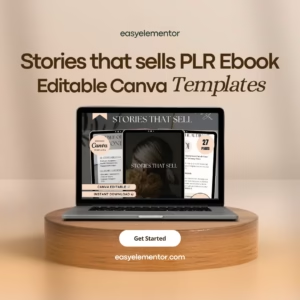 Design Bundles
Stories that sells PLR Ebook PLR Digital Product Master Resell Rights Ebook Digital Marketing MRR Template
Rated 0 out of 5$ 54.00Original price was: $ 54.00.$ 15.00Current price is: $ 15.00. -
-84%
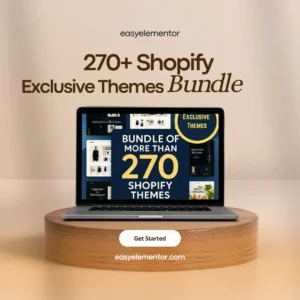 Bundles
270+ Shopify Templates MRR & PLR Bundle
Rated 0 out of 5$ 86.00Original price was: $ 86.00.$ 14.00Current price is: $ 14.00. -
-88%
 Bundles
1100+ Awesome Business Courses MRR & PLR Bundle
Rated 0 out of 5$ 97.00Original price was: $ 97.00.$ 12.00Current price is: $ 12.00.
MRR Products Explained (2026): Buy, Sell & Profit With Master Resell Rights
Master Resell Rights products have become a serious opportunity for digital entrepreneurs in 2026. Whether you’re a beginner looking for your first income stream, an agency wanting to expand your service offerings, or a side hustler testing new markets, MRR products offer a legitimate path to profitability without the heavy lifting of creating content from scratch.
This guide walks you through everything you need to know: what MRR products actually are, how to identify winners, where to buy them legitimately, and the strategies that actually convert into consistent sales.
What Are MRR Products? (A Beginner-Friendly Breakdown)
Let’s start with the basics. Master Resell Rights (MRR) is a type of digital product license that allows you to do two things simultaneously: resell the product to customers and grant those same reselling rights to your buyers.
Think of it like this. You purchase an MRR ebook for $27. The license permits you to sell it for whatever price you set—$47, $97, or even $197. You keep 100% of the revenue. But here’s the master part: your customers can also turn around and sell that same ebook to others, with identical rights. This creates a network effect where value multiplies through distribution.
The Core Permissions You Get with MRR Products
When you buy an MRR product, your license agreement typically grants you:
The ability to resell the product as-is (unchanged) to unlimited customers. Complete pricing freedom—you set the price, not the original creator. The right to pass reselling rights to your customers, turning them into potential resellers themselves. Permission to bundle MRR products together into packages. The legal authority to operate across most platforms (though some have restrictions).
What You Cannot Do with MRR Products
Understanding the limits is equally important. With MRR, you generally cannot modify, edit, or rebrand the product’s core content. You can add bonuses or your own materials, but the original product stays intact. You cannot claim authorship or ownership of the original content—the creator maintains that. You cannot remove or alter the creator’s branding from the original product. Some licenses restrict distribution to specific platforms or geographic regions (always check your agreement).
How MRR Products Work (Step-by-Step)
The business model is refreshingly simple, and that’s exactly why it appeals to entrepreneurs worldwide.
Step 1: Purchase an MRR product You find a product on a marketplaces that solves a problem for your target audience. You verify the license terms are legitimate. You purchase the product rights.
Step 2: You receive access and the license The creator provides you with the complete digital files (PDF ebook, video course, software, templates, etc.) and a copy of your license agreement showing you have reselling rights.
Step 3: Set your price and create your sales page This is where strategy matters. You research competitor pricing, consider your audience’s willingness to pay, and set a price point. You create a simple sales page describing the benefits, not just the features. You can add bonuses to increase perceived value.
Step 4: Market and sell to customers You promote the product through email, social media, content marketing, or paid advertising. You handle the transaction and delivery. You keep all the profit.
Step 5: Your customers can resell it too If you sold it as MRR (passing rights along), your customers now have the same opportunity you did. This creates an expanding network of resellers.
The beauty of this model is that you’re not building a one-time sale—you’re potentially creating multiple revenue streams from a single product while building an affiliate-style network below you.
Types of MRR Products You Can Sell Today
The MRR market has expanded significantly. Understanding what’s actually selling helps you choose products with real demand rather than taking a gamble.
High-Demand MRR Digital Products
MRR Ebooks and Guides These remain the most common entry point. Think business guides, productivity systems, niche how-tos, and problem-solving manuals. They’re inexpensive to acquire, require minimal support, and sell consistently across markets. Expect pricing between $17-$97 for end customers.
Online Courses and Training Programs Video-based courses with modules and worksheets command higher prices and perceived value. These perform well because buyers are investing time and money seriously. Most successful course resellers price between $47-$297 depending on topic and depth.
Website and Landing Page Templates Agencies and entrepreneurs constantly need templates to accelerate their workflow. Pre-built Wordpress themes, Elementor designs, Figma prototypes, and Webflow templates all have proven demand.
Canva Templates and Design Assets The explosion of visual content creation has made this category explosive. Social media templates, presentation decks, graphics packs, and branding kits sell well because they save designers hours of work. Many resellers see consistent monthly sales with these.
Social Media Content Kits and Bundles Done-for-you captions, graphics, content calendars, and posting schedules appeal to busy entrepreneurs. These are particularly effective when bundled into monthly subscriptions or packages.
Software Scripts and Plugins Technical products like email marketing scripts, WordPress plugins, membership software, and small utility tools have smaller markets but higher profit margins. These typically require more technical explanation but attract serious buyers.
Email Sequences and Funnels Pre-written email campaigns, sales funnels, and marketing sequences solve a real problem for marketers who lack copywriting skills.
The key pattern: the best sellers solve specific problems for defined audiences. Generic products struggle because buyers have endless options.
Best MRR Products to Buy in 2026
Not all MRR products are created equal. The difference between products that sell 3 copies and 300 copies often comes down to these factors.
Best MRR Products for Beginners
If you’re just starting, look for products that check these boxes: minimal technical setup required, no platform restrictions limiting where you sell, proven demand signals in your target market, clear license allowing bonuses and bundling, and active creator support or community around the product.
Ebooks on productivity, business fundamentals, and niches like freelancing, virtual assistance, and side hustles consistently perform for beginners because demand is stable and competition doesn’t solely depend on marketing sophistication.
High-Profit MRR Products
Profit doesn’t just mean price—it means price combined with conversion rate and volume. The highest performers tend to be:
Product Bundles A bundle combining 3-5 related MRR products (like “Complete Email Marketing Bundle” containing a guide, templates, sequences, and swipe files) commands 2-3 times higher pricing because of perceived value. You can charge $97-$297 legitimately. Many resellers build 30-50% profit margins on bundles.
Comprehensive Courses Quality video courses with multiple modules, worksheets, and bonuses justify premium pricing. Positioning matters enormously here. The same course marketed as “Learn Email Marketing” might struggle at $97, but reframed as “The Email Marketing Blueprint for Agencies” can command $297.
Website and Business Kits Complete kits combining WordPress themes, plugins, email sequences, sales pages, and landing pages appeal to entrepreneurs building from scratch. These naturally command higher prices because of the multiple components included.
MRR Products That Actually Sell (Market Validation Signals)
Before purchasing, look for these indicators of genuine demand:
Sales page evidence Visit the original creator’s sales page (often linked in the marketplace). Does it look professional? Does it have customer testimonials? These suggest the product has real customers, not just hype.
Creator reputation How long has this creator been in the space? Do they have other successful products? A creator with multiple successful launches suggests quality standards.
Niche demand data Use Google Trends to confirm your target audience actually searches for solutions to the problem this product solves. Are search volumes increasing or declining?
Marketplace reviews If you’re buying from IDPLR, CartMango, or similar platforms, check buyer reviews from other resellers. Common complaints about thin content, outdated information, or poor structure are red flags.
Community validation Search Facebook groups, Reddit, and forums in your niche. Are people mentioning this type of product positively? Are they asking for solutions this product addresses?
Products addressing “evergreen” problems (productivity, business building, skill development, income generation) outperform trendy topics that fade quickly.
Where to Buy Legitimate MRR Products
This section matters more than most people realize. Buying from the wrong source exposes you to legal risks, low-quality products, and unclear licensing.
What Makes an MRR Product Legitimate
A legitimate MRR product comes with a clear, documented license agreement specifying exactly what you can and cannot do. The creator or marketplace provides your proof of purchase, which serves as your license. The product has been created by the original author, not stolen from elsewhere. The marketplace or creator has been operating for at least 2-3 years with consistent customer support.
Legitimate sellers also avoid unrealistic promises. If someone claims you’ll earn $10,000 monthly from a $17 product with no work, it’s a red flag. Real opportunity requires real effort.
Red Flags to Avoid in MRR Products
Avoid products from sellers with no verifiable history or reviews. Skip products with vague license terms or licenses that don’t explicitly mention reselling rights. Don’t purchase if the product content appears plagiarized or AI-generated without disclosure. Be cautious of bundles priced suspiciously low (like $5 for 50 MRR products)—these often contain low-quality or even pirated content. Steer clear of sellers using pressure tactics (“Limited time only! Only 10 copies left!”)—legitimate businesses don’t fear losing customers this way.
Your Pre-Purchase Checklist for MRR Products
Before clicking “Buy,” verify:
-
License agreement explicitly allows Master Resell Rights
-
License permits passing reselling rights to customers
-
License allows bundling with other products
-
License allows selling across your chosen platform(s)
-
License allows you to add bonuses or complementary materials
-
Refund policy exists if the product is defective or misrepresented
-
Creator contact information is available for support questions
-
Product format works with your distribution system (downloadable files, not account access)
Trusted Sources for MRR Products in 2026
The landscape has matured. Here are sources that have consistently delivered legitimate products:
Direct Creators Many product creators sell directly from their websites with documented MRR licenses. Benefit: you get creator support. Drawback: you need to find them through marketing communities or direct relationships.
Established Digital Product Platforms CartMango, Gumroad, and Whop host numerous MRR sellers. These platforms verify seller credentials and handle disputes. Quality varies, but platform accountability matters.
Curated MRR Marketplaces IDPLR, BigProductStore, ContentSparks, and PLR.me specifically focus on resellable content. They curate selections and verify licenses. Higher standards typically mean better products.
Private Forums and Communities Digital product communities on Facebook and membership sites sometimes offer MRR products with detailed license terms. These tend to have lower volume but higher quality.
One critical tip: start small. Buy 2-3 products from any new source before committing to larger purchases. This lets you verify quality, check license legitimacy, and understand their support level.
How to Sell MRR Products Online
Now the crucial part: actually moving inventory and generating sales. The product quality matters, but marketing skill determines success.
Sell MRR Products on Your Own Website
This gives you complete control over messaging and customer experience.
Shopify stores are popular because they handle payments, delivery (digital file hosting), and customer data. Setup takes a few hours. You can integrate email capture for list building. Expect to pay $29-$299 monthly depending on your traffic.
WordPress with WooCommerce offers similar functionality with more customization. This approach works best if you already have WordPress hosting. It requires more technical setup but offers maximum flexibility.
Standalone sales pages using tools like ConvertKit, Leadpages, or Instapage let you create single-product campaigns. This works particularly well if you’re testing a specific product before committing to full infrastructure.
Email marketing integration is essential. Capture buyer emails so you can promote future products, build relationships, and increase customer lifetime value. This alone often doubles your long-term revenue compared to one-time transactions.
Sell Via Digital Marketplaces
Gumroad, Etsy, and Podia have built-in audiences searching for digital products.
Pros: Millions of potential customers already browsing. Platform handles payments and delivery. You avoid building your own sales infrastructure. Lower startup costs.
Cons: Platform takes commissions (typically 5-8% for Gumroad, 6.5% for Etsy). You can’t collect customer emails directly in some cases. Competition is fierce because barriers to entry are low. Platforms can change commission rates or policies suddenly.
Platform-specific restrictions: Etsy permits digital products but has specific rules about what qualifies as MRR. Gumroad is reseller-friendly. Podia allows MRR sales but expects you to comply with platform terms.
Sell Using Funnels & Email Marketing
This approach creates leverage by building assets beyond a single product.
Lead magnets (free templates, guides, checklists related to your niche) capture interested prospects. Once on your email list, you can sell MRR products gradually without constant advertising spend.
Upsells and order bumps let you offer complementary MRR products after purchase. If someone buys an email marketing ebook, upselling a template bundle at the checkout increases transaction value by 30-50%.
Bundling strategy combines 3-5 related MRR products into one offer. A bundle priced at $97 containing separate products feels more valuable than selling each at $19. This approach increases perceived value without increasing your costs.
Email marketing platforms like ConvertKit, Substack, or ActiveCampaign make this straightforward. You build sequences nurturing prospects toward purchase, retargeting those who viewed your sales page, and launching periodic promotions.
MRR Products Business Models (Beyond Simple Resale)
Successful entrepreneurs don’t just resell—they architect business models around MRR.
Single Product Store
Pick one high-demand MRR product. Build an entire brand around solving that specific problem. Price it premium. Invest in serious marketing. This works for products with high initial demand and proven buyer markets. Example: positioning a productivity course as “The Complete Time Management Blueprint for Entrepreneurs” and investing in paid ads and email sequences generates consistent sales.
Bundle Strategy
Combine 3-5 complementary MRR products into themed bundles. Create separate bundles for different customer segments. Price bundles 2-3 times higher than individual products. This approach increases value perception, improves conversion rates, and differentiates you from other resellers selling identical individual products.
Membership Model
Package MRR products as recurring monthly benefits. Charge $19-$97 monthly and deliver a new or rotated MRR product each month. This creates predictable recurring revenue and increases customer lifetime value. Members feel invested because they receive ongoing value.
Lead-Generation + Upsell Model
Give away valuable free MRR content (guides, templates) to build an email list. Nurture the list with free value and soft product mentions. Convert to paying customers with paid MRR products. This builds authority while generating passive leads for your sales funnel.
MRR vs PLR vs Affiliate Marketing (The Real Differences)
Clear distinctions matter here because the business model fundamentally changes based on which you choose.
| Factor | MRR | PLR | Affiliate Marketing |
|---|---|---|---|
| Profit Margins | 50-80% (you keep all sales revenue) | 50-80% after customization work | 10-40% commission only |
| Control | Limited (can’t modify product) | Complete (edit, rebrand everything) | None (promoting others’ products) |
| Scalability | High (same product sells forever) | High (customize for multiple markets) | Unlimited (no inventory limits) |
| Branding | Difficult (creator’s branding remains) | Excellent (claim as your own) | Someone else’s brand |
| Time Investment | Low (marketing focused) | High (creation/customization required) | Moderate (mainly marketing) |
| Recurring Revenue Potential | Low (single transactions) | Low (single transactions) | Potential if commission-based recurring |
| Legal Flexibility | Restricted (must follow license) | Flexible (you own customized version) | Very flexible (no IP involvement) |
| Best For | Quick income, multiple product launches | Building a unique brand, long-term positioning | Passive income, no fulfillment responsibility |
MRR makes sense if you want to launch multiple products quickly, keep maximum profit, and focus on marketing skill rather than creation.
PLR makes sense if you want to build a distinct brand voice, are willing to invest time customizing, and plan to position yourself as a unique expert.
Affiliate marketing makes sense if you prefer passive income, have established audience trust, and want to avoid any product responsibility.
Many successful entrepreneurs use all three, strategically deploying each where it performs best.
Legal Rules & License Terms You Must Know
This section prevents costly mistakes. MRR involves intellectual property, and violating license terms creates serious problems.
What MRR Licenses Usually Allow
The ability to resell the product to unlimited customers without volume caps. Setting your own pricing (though some licenses specify minimum prices). Passing Master Resell Rights to your customers, extending the resale chain. Bundling the MRR product with other products. Adding bonuses (your own materials, complementary resources). Selling across multiple platforms (unless your license specifies restrictions). Using the product in your business to create content or services (if the license permits).
Common Restrictions
No modification of the original product content. You cannot edit, rewrite, or alter the core material. No claiming authorship or ownership of the original work. You must maintain creator attribution and original branding. No removing or obscuring the creator’s information. Restricted resale in certain geographic regions (some licenses exclude particular countries). Limited distribution channels (some licenses prohibit selling on specific platforms like Etsy). Prohibition against reverse engineering software or accessing source code. No extracting and republishing individual components.
Can You Rebrand or Modify MRR Products?
This is where MRR and PLR diverge critically. With MRR, the answer is generally no—you cannot modify the core product. However, you can add significant value without modifying:
Creating custom bonuses (your own templates, guides, resources) that accompany the core product. Packaging the product with complementary MRR items into a bundle with new branding. Wrapping the product with your own sales page, video introduction, or case study. Building courses or additional materials around the product’s content. Creating upsell sequences to sell related products after the initial purchase.
If you need to modify or rebrand extensively, you actually want PLR (Private Label Rights), not MRR.
Common Mistakes People Make With MRR Products
Learning from others’ failures accelerates your success.
Mistake 1: Selling Without Understanding Your License
The most expensive error. You purchase a product, start selling aggressively, then discover the license prohibits selling on Etsy (your main channel), restricts pricing, or has other limitations you missed. Always read the complete license agreement before purchase. Keep it in a folder for reference. When in doubt, email the creator.
Mistake 2: Competing Only on Price
When multiple people sell the same MRR product, pure price competition destroys everyone’s margins. The cheapest reseller still faces pressure from the next cheaper option. Instead, differentiate through positioning, bonuses, packaging, and audience targeting. Position the same productivity course as “Email Marketing Framework for SaaS Founders” (specific) rather than “Productivity Course” (generic). Charge premium pricing for positioning, not just the base product.
Mistake 3: No Branding or Personal Connection
Generic product pages convert poorly. Buyers don’t trust faceless sellers. Build authority by sharing your experience, results, or philosophy. Even a simple photo, brief bio, and testimonials dramatically increase conversion rates. Include a simple “Who I Am” section explaining why you recommend this product. Share one case study or example showing results from using the product. Respond personally to inquiries rather than automating everything.
Mistake 4: Poor Product Presentation and Sales Page
The same product sells dramatically differently depending on how it’s presented. A sales page with clear benefits, social proof, and a compelling offer converts 3-5 times better than a basic listing.
Write a benefit-focused headline (“Earn Your First $1,000 Online in 90 Days” vs. “$1,000 Income Course”). Include real testimonials from successful users. Show exactly what’s included with clear module or section breakdowns. Explain the transformation: where the buyer is now vs. where they’ll be after. Create urgency with bonuses (limited-time guides, templates, resources) that expire.
Mistake 5: Inadequate Marketing
Great products don’t sell themselves. You could buy the highest-quality MRR product and earn nothing if nobody knows about it. Plan to invest 70% of your effort in marketing, 30% in product and operations. Use multiple channels: email sequences nurturing your list, social media content in your niche, paid advertising (Facebook ads, Google ads) if your margins support it, affiliate partnerships with influencers in your space, content marketing (blogs, YouTube) establishing authority.
Are MRR Products Worth It in 2026? (An Honest Assessment)
The answer isn’t simple—it depends entirely on your situation and expectations.
When MRR Works Best
For beginners wanting to validate a niche quickly without creating products from scratch. You can test market demand with minimal investment.
For agencies and service providers needing productized services or lead magnets to scale beyond hourly billing. You can resell templates, guides, or courses as bonus deliverables.
For side hustlers who want passive income without years of product development. You can launch your first digital product in weeks.
For people in proven niches where demand is stable and multiple profitable resellers already exist. You can capitalize on demand someone else validated.
For building email lists by offering affordable lead magnets from MRR sources. You can give away $19 ebooks to build your list for higher-value offerings.
When MRR Is NOT a Good Idea
If your goal is rapid wealth or working completely passively. Most MRR resellers earn $200-$2,000 monthly, not the “$10,000 passive income” promised in hype marketing.
If you lack marketing skills or audience and have no budget for paid advertising. The product doesn’t sell itself. You need either an existing audience or money for ads.
If you’re in an oversaturated niche where 50+ resellers sell identical products. You’ll struggle competing unless you invest heavily in differentiation and marketing.
If you want long-term brand positioning and equity. You’re essentially reselling others’ intellectual property. Your business is fragile because the creator could change terms, go out of business, or license products more restrictively.
If you have limited capital and need survival income. MRR success requires 3-6 months of consistent marketing effort before significant revenue appears.
Who Should Avoid MRR
Perfectionism-prone entrepreneurs spend months trying to optimize an MRR business that needs personality and action instead. Idea-jumping people starting projects every month but never seeing them through. Those expecting passive income without any work—you will disappoint yourself. People in niches where you lack genuine interest or expertise—authenticity matters for marketing.
Frequently Asked Questions About MRR Products
Are MRR Products Legal?
Yes, completely. Master Resell Rights is a legitimate licensing model recognized by intellectual property law. You’re purchasing specific reselling rights from product creators. The legal framework supports this because the creator voluntarily grants rights, and you comply with the license terms. However, legality requires purchasing from legitimate sources with documented licenses and respecting all restrictions. Buying from unauthorized resellers or pirated sources is illegal.
Can I Sell MRR Products on Etsy?
Yes, but with restrictions. Etsy permits digital products, including MRR. However, your MRR license must allow Etsy sales specifically (some restrict to only selling from your own website). Check your license agreement before listing. Etsy takes a commission and has specific policies about what constitutes “acceptable” digital products. Support expectations are higher on Etsy, so ensure the MRR product is high-quality.
Do I Need a Website?
Not required. You can sell on Gumroad, Etsy, Podia, or marketplace platforms without a website. However, a website helps because you control the customer experience, can collect emails directly, and build authority. Many successful resellers operate through marketplaces initially, then build websites once they have validated demand. A simple landing page costs $5-20 monthly using tools like Webflow or WordPress.
How Much Can I Actually Make?
Earnings vary enormously. A realistic range: many resellers earn $500-$2,000 monthly from 1-3 products after 3-6 months of marketing effort. Some earn $5,000+ monthly by managing multiple products, building email lists, and systematizing their marketing. Income depends more on your marketing skill and audience than the product itself. The best resellers treat this like a business, not a get-rich scheme.
Can I Bundle MRR Products?
Absolutely. Bundling is actually a superior strategy because it increases perceived value and allows premium pricing. You can bundle 3-5 complementary MRR products into themed packages. Some licenses restrict bundling, so verify your agreements first. Bundled pricing can be 2-3x higher than individual products because bundles feel like complete solutions rather than standalone products.
Are MRR Products Actually Saturated?
Saturation depends entirely on your niche. Broad categories like “productivity” or “making money” are incredibly crowded. Specific niches like “LinkedIn marketing for B2B service providers” or “Instagram strategy for fitness coaches” have less saturation and more defined audiences. Saturation isn’t a dealbreaker if you position yourself differently or build genuine audience connection. Many successful resellers operate in saturated markets by focusing on marketing excellence rather than assuming product novelty.
Conclusion: Your Next Step
Master Resell Rights products offer a legitimate pathway to digital income if you understand the real opportunity: it’s a marketing business, not a passive income shortcut.
The product itself contributes maybe 20% to success. The other 80% comes from understanding your audience, communicating value clearly, building trust through positioning, and showing up consistently in marketing.
Start by identifying one high-demand product in a niche you understand. Purchase from a trusted marketplace after vetting the license. Create a simple sales page explaining benefits to your specific audience. Commit to 60 days of marketing through your strongest channel (email, social media, or ads). Track what works, refine, and scale the winners.
Success with MRR products isn’t guaranteed, but the pathway is proven. Thousands of entrepreneurs earn genuine income using this model. The key is approaching it as a real business requiring real marketing skill, not as a passive income miracle.
Your next move: identify your niche, verify market demand using Google Trends or community validation, then purchase one product from an established marketplace. The learning from actually running the business matters infinitely more than perfect planning.
