- Use Code: EASY30 for 30% OFF only on Platinum Membership
- For Limited Time Only

Done For You Digital Products
Done for you digital products make it easy to launch and scale a digital business with ready‑made ebooks, courses, and templates you can customize, brand, and resell for profit.
Done for You Digital Products With Resell Rights
Done‑for‑you digital products—such as ready‑made courses, ebooks, templates, and planners—let you launch an online offer without writing every asset from scratch, but success depends on adding real value, not just uploading a zip file. When you combine solid licensing (Resell Rights, Master Resell Rights, or Private Label Rights) with a clear niche, trustworthy brand, and strong customer experience, these products can become durable digital assets rather than short‑lived trends.
What are Resell Rights?
Resell rights are licenses that tell you exactly how you can legally profit from someone else’s digital product—what you can sell, how you can brand it, and whether your buyers can resell it too. Understanding the differences between Basic Resell Rights (RR), Master Resell Rights (MRR), and Private Label Rights (PLR) is critical before you upload anything to Shopify, WooCommerce, or Etsy.
-
Basic Resell Rights (RR): You can sell the product to end customers, keep the revenue, but usually cannot pass on resell rights or modify the content beyond light presentation tweaks.
-
Master Resell Rights (MRR): You can sell the product and also sell the right for your customers to resell it themselves, effectively selling a “business in a box,” but often with strict rules about editing or rebranding.
-
Private Label Rights (PLR): You’re allowed to heavily edit, re‑write, re‑design, and publish under your own brand, sometimes even claiming authorship, as long as you follow the specific license terms.
Because each vendor defines their own license conditions, always read the usage terms from the source (for example PLR Database, PLR.me, BuyQualityPLR, or Entrepedia) and keep copies of the license files in your records. Mixing up RR, MRR, and PLR or ignoring restrictions such as “no giveaway” or “no Amazon KDP” can cause disputes, DMCA complaints, and platform account issues later.
Benefits of Reselling Digital Products
Reselling licensed digital products is attractive because you can tap into proven topics with very low marginal cost per sale. Once the product is set up in your storefront and automated delivery is configured, you can sell the same file thousands of times without inventory or shipping overhead.
Key benefits include:
-
Low startup costs: Your main expenses are licensing, branding, and marketing tools rather than manufacturing, logistics, or warehousing.
-
Fast time to market: Instead of spending months building a course or ebook from scratch, you start with a complete product and focus on tailoring it to your audience.
-
High scalability: Platforms like Shopify (via its Digital Downloads app), WooCommerce, and Easy Digital Downloads handle unlimited file delivery as your sales grow.
-
Global reach: Digital products can be sold to customers worldwide via search, social, email, and marketplaces without customs or freight.
However, sustainable income usually comes from specialization—serving a specific niche with curated, improved products—rather than pushing generic PLR or MRR bundles to “everyone.”
Legal Considerations and Compliance
Licensing and copyright are the foundation of any resell‑rights business, and ignoring them can lead to DMCA takedown notices, payment processor disputes, or account suspensions. You must treat every product as copyrighted material owned by the original creator and operate within the exact permissions they grant you.
Important legal best practices:
-
Follow the license, not assumptions: Check whether your license allows editing, rebranding, resale of rights, or use on specific platforms; PLR, MRR, and RR all differ.
-
Respect copyright frameworks: Laws such as the U.S. Digital Millennium Copyright Act (DMCA) enable rights holders to request removal of infringing content via formal takedown notices.
-
Keep documentation: Store invoices, license PDFs, and emails proving you legitimately acquired the rights, especially when selling on marketplaces that may ask for proof.
-
Use DMCA correctly: If your product is copied, you can file a DMCA takedown with hosts or platforms, but the notice must be accurate, in a valid format, and in good faith.
Google’s spam and low‑quality content policies also apply: large‑scale, unmodified, duplicate content created mainly to rank rather than help users is increasingly down‑ranked by recent core updates. To stay compliant and competitive, always add your own expertise, original examples, and updated information instead of publishing PLR word‑for‑word.
Find Your Target Market
Resell‑rights products perform best when they solve specific problems for clearly defined groups, such as fitness coaches, Etsy printable buyers, or Shopify beginners. Rather than listing random bundles, create detailed buyer personas and validate that there is genuine demand for the topic.
Audience Research and Buyer Personas
Start by mapping out who you serve: their demographics, skills, goals, and daily challenges. For example, “new solopreneur coaches in the US who struggle with creating content and want plug‑and‑play client resources” is far more actionable than just “people who want passive income.”
To do this, you can:
-
Analyze social media communities and hashtags related to PLR, MRR, and digital marketing to see what types of content people engage with.
-
Study followers and customers of established PLR brands (such as PLR.me or Tools for Motivation) to understand their interests and budgets.
-
Run surveys or short interviews with your existing audience to uncover what formats they prefer—checklists, Notion templates, video lessons, or printable planners.
The more specific your persona, the easier it becomes to choose products, write sales copy, and improve content in ways that feel genuinely helpful, which aligns with Google’s people‑first content guidance.
Demand Assessment
Before committing to a full catalog, validate that people are actively searching for and buying similar products. You can:
-
Use tools like Google Trends to gauge interest in topics such as “content planner,” “Notion templates,” or “budgeting workbook” over time.
-
Check marketplaces (Etsy, Creative Market, Gumroad) for top‑selling digital downloads in your niche to see pricing, reviews, and gaps.
-
Analyze performance of your current offers and test new ideas with pre‑orders, beta pricing, or “founders’ launches” before fully building funnels.
Demand validation not only reduces risk but also helps you prioritize which PLR or MRR licenses to buy and customize first.
Sourcing Digital Products
Your business is only as strong as the products you resell, so treat sourcing as seriously as product creation. Quality, originality, and clear licensing are more important than simply finding the biggest bundle for the lowest price.
Where to Find High‑Quality Licensed Products
You can acquire PLR, MRR, and RR products from specialist marketplaces as well as individual creators. Popular options include:
-
PLR Database and BuyQualityPLR for broad catalogs of ebooks, courses, and marketing materials across many niches.
-
PLR.me, Content Sparks, and Tools for Motivation for higher‑end coaching, business, and personal‑development content.
-
Free and low‑cost PLR libraries like Entrepedia for starter products you can rebrand and bundle.
As trends shift, watch for growing demand in software tools, online business education, AI prompts, and digital planners, which consistently perform well as digital downloads.
Evaluating Suppliers and Creators
Before buying licenses in bulk, evaluate the seller like a long‑term partner.
Look for:
-
Strong content quality: Clear writing, accurate information, professional design, and up‑to‑date references; avoid products that look like machine‑spun content.
-
Transparent licensing: Well‑written terms clarifying whether you can edit, rebrand, bundle, or pass on resell rights, and where you may or may not sell (e.g., Amazon, Kindle, Udemy).
-
Responsive support: Sellers who answer questions promptly and can provide replacement files or corrections if needed.
Checking reviews, testimonials, and how long the brand has been in business can further reduce the risk of buying low‑quality or improperly licensed content.
Creating Your Value Offer
Your value offer is what differentiates you from hundreds of other people who may own the same base PLR or MRR file. By combining thoughtful branding, targeted improvements, and strategic packaging, you turn a generic product into a specific solution your audience recognizes as uniquely helpful.
Branding and Product Development
Start by defining a brand identity that signals expertise and consistency in your niche: name, logo, color system, tone of voice, and promises you consistently keep. For example, a brand that focuses on “evidence‑based productivity for creators” can tailor its PLR products with peer‑reviewed sources, case studies, and implementation checklists.
With PLR especially, you should:
-
Rewrite sections to reflect your experience or methodology and update data, screenshots, and examples to current tools and platforms.
-
Localize content where relevant (currency, legal references, or cultural examples) to better match your target audience.
-
Add implementation aids like Trello boards, Notion dashboards, or spreadsheet calculators that go beyond the original file.
These improvements both differentiate your offer and align with Google’s call for original, high‑value content based on real‑world expertise and experience.
Creating Bundles and Packages
Bundling related assets into a cohesive system often delivers more perceived value than selling individual files. For instance, instead of one PLR ebook on email marketing, you might offer:
-
A core ebook,
-
Swipe files for welcome sequences,
-
Canva templates for lead magnets, and
-
A tracking spreadsheet for campaign KPIs.
You can organize offers in tiers such as:
-
Basic: A single resource or mini‑bundle for beginners.
-
Premium: A full toolkit with templates, scripts, and video training.
-
VIP: Everything in Premium plus coaching sessions, audits, or community access.
Time‑boxed offers—like a “Q4 Black Friday Funnel Kit” or “New Year Productivity Pack”—can create urgency while addressing seasonal needs your audience already has.
Pricing Strategies
Pricing resell‑rights digital products is a balance between perceived value, market expectations, and your desired margin. Because your marginal cost per sale is near zero, you can experiment aggressively with price points and bundles while protecting your brand positioning.
Competitive Pricing Analysis
Start by mapping the price landscape for comparable products in your niche. Analyze:
-
PLR and MRR offers on specialist sites such as PLR Database, BuyQualityPLR, and PLR.me.
-
Digital downloads in your category on Shopify stores, Etsy, Creative Market, or Gumroad.
-
Course prices on platforms like Udemy or Teachable for similar outcomes.
Track prices, formats, bonuses, and refund policies to see where you can either undercut bloated offers or justify a premium through depth and support.
Determining Price Points
Once you know the market ranges, decide where your brand belongs: budget, mid‑range, or premium. Factor in:
-
Licensing and customization costs.
-
Ongoing expenses like email tools, cart software, and ad spend.
-
The time and expertise you invest into improving and supporting the product.
Digital products often target healthy margins (50%+ after marketing) because delivery and fulfillment are automated. You can test:
-
Introductory or “founder” pricing to gain initial reviews.
-
Tiered pricing with clear comparisons between bundle levels.
-
Order‑bump and upsell flows (e.g., templates added to a course purchase) to increase average order value.
Monitor conversion rates and refund patterns to refine pricing rather than treating it as fixed forever.
Marketing and Sales Tactics
Even the best PLR‑based product won’t sell itself; you need consistent, multi‑channel promotion that emphasizes outcomes, not just “resell rights.” Combining targeted ads, email marketing, and social content gives you both reach and relationship‑building.
Online Advertising
Pay‑per‑click (PPC) ads on Google, Meta (Facebook/Instagram), TikTok, and YouTube can drive traffic directly to your sales pages or lead magnets. Focus your campaigns on specific problems and results, such as “Done‑for‑you client onboarding kit for coaches” rather than generic “MRR course.”
Use A/B testing to optimize:
-
Headlines and angles (quick win vs. deep transformation).
-
Creative formats (short vertical video, carousel graphics, static images).
-
Offers (discount vs. added bonus).
Be aware that DMCA takedown disputes or copyright issues can lead ad platforms to pause or reject campaigns, so originality and clean licensing are critical for long‑term paid traffic.
Email Marketing Campaigns
Email remains one of the most reliable channels for selling digital products because it allows for education, storytelling, and follow‑up sequences. Use lead magnets—often built from PLR and then customized—to grow your list with relevant subscribers.
Effective email practices include:
-
Segmentation by interest and behavior (e.g., list‑building, productivity, or design templates).
-
Automated welcome and nurture sequences that deliver quick wins and introduce your best offers.
-
Launch campaigns for new bundles with deadlines, social proof, and behind‑the‑scenes content.
Well‑structured campaigns not only drive sales but also create engagement signals and brand mentions that indirectly support your organic visibility.
Social Media Promotion
Social platforms are ideal places to demonstrate how your digital products actually work. Short tutorials, before‑and‑after transformations, and customer success stories help build trust far more than static product screenshots.
You can:
-
Use Instagram Reels, TikTok, or YouTube Shorts to show real workflows using your templates or mini‑courses.
-
Host live sessions or webinars that end with a time‑limited offer for a bundle.
-
Collaborate with influencers or micro‑creators in your niche by giving them review copies or affiliate links.
The goal is to show practical value and real use cases rather than just talking about “passive income,” which improves both conversions and compliance with Google’s emphasis on first‑hand experience.
Building Your Online Store
A solid technical setup ensures customers can easily discover, purchase, and receive your digital products without friction. Whether you choose Shopify, WooCommerce, or a dedicated downloads plugin, prioritize reliability and user experience.
eCommerce Platform Selection
Leading options for selling resell‑rights digital products include:
-
Shopify with the official Digital Downloads app, ideal for creators who want a hosted solution and easy integrations.
-
WooCommerce on WordPress, best for those who want deep customization and control, especially when paired with downloadable‑product extensions.
-
Easy Digital Downloads (EDD), a WordPress plugin built specifically for selling digital files like ebooks and software.
Consider transaction fees, available payment gateways in your target countries, support for VAT/tax rules, and how easily you can add upsells and bundles.
Website Design and Usability
Your store should make it effortless for visitors to understand what you sell, why it matters, and how to buy it. Good practice includes:
-
Clean layout, strong typography, and responsive design that works well on mobile.
-
Clear product pages with benefit‑driven headlines, detailed descriptions, preview images, and FAQs.
-
Streamlined checkout, with shipping disabled for digital products and automated email delivery of download links after payment.
Plugins and apps from Shopify or WooCommerce can automatically generate unique, expiring download links and allow customers to re‑download purchases from their account area.
Customer Service and Support
Customer service is a key differentiator in a space where many sellers simply upload files and disappear. Helpful, timely support builds trust, encourages reviews, and reduces refunds and disputes.
Handling Customer Inquiries
Set up at least one reliable support channel, such as email, a ticketing system, or live chat, and communicate expected response times on your site. A well‑structured knowledge base or FAQ can answer common questions like “How do I edit this Canva template?” or “What can I legally do with this PLR pack?” before they turn into tickets.
Logging and categorizing inquiries will reveal patterns: confusing instructions, unclear licensing, or technical issues with downloads that you can fix at the product or page level.
Managing Refunds and Returns
Digital products are often non‑refundable, but many successful brands still offer limited guarantees to reduce buyer anxiety. Whatever policy you choose, state it clearly on product pages and again at checkout.
Best practices include:
-
Providing reasonable support to help customers use the product before jumping to refunds.
-
Processing valid refunds promptly to maintain goodwill and avoid payment disputes.
-
Tracking refund reasons to refine product positioning and onboarding materials.
Encouraging honest reviews from satisfied users adds social proof that can lower refund rates and increase conversions.
Scalability and Growth
Once you have a working product–market fit and reliable sales process, you can focus on scaling rather than constantly starting over. Resell‑rights products are especially well suited to scaling because content creation is partially outsourced while marketing and optimization stay in your control.
Strategies for Business Expansion
Common growth levers include:
-
Product line expansion: Add complementary products (like upsell templates, advanced modules, or niche variations) built from PLR, MRR, or original content.
-
Channel diversification: Sell not only via your own site but also through marketplaces, affiliate programs, and niche platforms where your audience already shops.
-
Automation: Use tools for email sequences, customer tagging, order fulfillment, and analytics so you can focus on strategy and content improvements.
Partnerships such as bundle collaborations, white‑label deals, or co‑created products with complementary brands can open up entirely new audiences.
Customer Feedback for Improvement
Continuous feedback loops keep your products relevant and competitive. You can gather insights through:
-
Post‑purchase surveys and NPS (Net Promoter Score) questions.
-
Heatmaps and analytics on sales and lesson pages to see where people drop off.
-
A private community or email replies where customers share wins, obstacles, and feature requests.
A/B testing product titles, sales page layouts, and bonus structures can reveal small changes that significantly increase conversion and customer satisfaction.
Protecting Intellectual Property
Even when you legally licensed the content, you must protect your own added work—branding, edits, and custom assets—from unauthorized copying. At the same time, you must avoid infringing the IP of others when using PLR or MRR.
Enforcing Copyrights and Licenses
To safeguard your enhanced products:
-
Include clear terms of use or end‑user license agreements (EULAs) explaining what buyers can and cannot do with your product.
-
Use watermarks on preview images, protected download links, and systems that generate unique URLs for each customer.
-
Monitor marketplaces and search engines for direct copies of your branding or product text using manual searches or monitoring tools.
If you find infringement, document evidence and contact the infringer first; if that fails, platforms and hosts typically support DMCA takedown processes.
Handling Copyright Infringement
The DMCA and similar frameworks give you a structured path to have infringing material removed from platforms and hosting providers when properly documented. A valid notice usually requires accurate identification of the copyrighted work, the infringing material’s URL, your contact details, and a sworn statement of good faith.
Because takedown notices are legal documents, consider legal advice for complex cases and avoid misusing the process against competitors, which can backfire. Educating your customers about what their license allows can also prevent unintentional misuse and strengthen your reputation as a professional, ethical seller.
Final Thoughts
Done‑for‑you digital products with resell rights are powerful leverage for creators, coaches, and marketers who want to sell valuable offers without starting from a blank page. The real edge comes not from the license alone but from how you adapt the content, position it for a clear audience, and support customers over time.
Aligning with Google’s helpful content and E‑E‑A‑T principles means prioritizing original insights, user experience, and transparency over quick‑win “copy‑paste” tactics. When you combine solid legal compliance, thoughtful branding, entity‑rich content, and ethical marketing, a resell‑rights business can grow into a stable, long‑term digital brand rather than a short‑lived trend.
Frequently Asked Questions
What are the best sources to find digital products with resell rights?
Reputable PLR and MRR marketplaces include PLR Database, BuyQualityPLR, and PLRproducts.com, which host thousands of ebooks, courses, and marketing tools with clear licensing terms. For higher‑end, niche‑specific content, many marketers rely on platforms like PLR.me, Content Sparks, and Tools for Motivation, especially in coaching and personal‑development markets.
Is it legal to resell digital products I have purchased?
It is legal to resell digital products only when you have acquired an appropriate license—Resell Rights, Master Resell Rights, or PLR—that explicitly grants permission to sell. You must comply with the exact terms of that license, which may restrict editing, passing on rights to buyers, or selling on certain platforms.
What distinguishes Master Resell Rights from Private Label Rights products?
Master Resell Rights generally let you sell the product as‑is and allow your buyers to resell it too, but typically limit how much you can alter the underlying content or branding. Private Label Rights, by contrast, are designed for heavier customization: you can edit, rebrand, and often claim authorship, subject to the vendor’s specific rules.
How can I identify quality digital products with resell rights?
High‑quality products come from established vendors with clear licenses, detailed product previews, and positive reviews from other buyers. Check sample pages for accurate information, clean design, and up‑to‑date examples, and avoid offers that appear to be low‑effort AI output or heavily duplicated across the web.
Can Private Label Rights (PLR) products be resold under my own brand?
Yes, PLR licenses are usually designed to let you edit, re‑title, and publish content under your own brand name, often with your logo and domain. Always confirm the license terms, because some PLR vendors restrict certain uses such as listing on Kindle or redistributing the raw source files as PLR.
What types of digital products are most profitable to resell?
Ebooks, video courses, software tools, and editable templates (such as Canva designs, spreadsheets, and planners) tend to perform well when they solve specific, persistent problems for a defined audience. Evergreen topics like personal finance, productivity, health, marketing, and online business education often generate consistent sales over time when paired with strong branding and support
Showing 19–36 of 58 resultsSorted by latest
-
-76%
 Bundles
100 Luxury Boss Babe Reels MRR & PLR Bundle
$ 59.00Original price was: $ 59.00.$ 14.00Current price is: $ 14.00. -
-87%
 PLR Done For You Courses
60+ PLR Video Courses Digital Product – Done-For-You Entrepreneur Niche, DFY Funnels, Customizable Product Art Templates – Resell Ready
$ 89.00Original price was: $ 89.00.$ 12.00Current price is: $ 12.00. -
-87%
 PLR Done For You Courses
1000+ PLR Video Courses | Comprehensive Library With 10+ Profitable Niches
$ 89.00Original price was: $ 89.00.$ 12.00Current price is: $ 12.00. -
-82%
 Design Bundles
5000+ Faceless Videos – Aesthetic | Master Resell Rights
Rated 4.57 out of 57 reviews$ 79.00Original price was: $ 79.00.$ 14.00Current price is: $ 14.00. -
-86%
 Bundles
900+ Business Courses Bundle | MRR, PLR, Resell Rights | Digital Business, Video Courses, Marketing Courses, Dropshipping Courses, Courses.
Rated 4.56 out of 59 reviews$ 87.00Original price was: $ 87.00.$ 12.00Current price is: $ 12.00. -
-84%
 Bundles
100,000+ Photoshop Premium Assets For Graphic Designers Adobe Mega Package Actions Brushes Mockups Templates Shapes
Rated 4.57 out of 514 reviews$ 75.00Original price was: $ 75.00.$ 12.00Current price is: $ 12.00. -
-86%
 Bundles
PLR Coloring Pages | Adults & Kids Coloring Pages
Rated 4.50 out of 518 reviews$ 88.00Original price was: $ 88.00.$ 12.00Current price is: $ 12.00. -
-82%
 Bundles
PLR EBOOKS Self Improvement Bundle/750 Digital Books With Resell Rights/Ebook Bundle/Personal Development/Digital Product Passive Income/MRR
Rated 4.43 out of 514 reviews$ 79.00Original price was: $ 79.00.$ 14.00Current price is: $ 14.00. -
-58%
 Ai
Ai100,000+ Ultimate ChatGPT Prompts Pack – High-Quality AI Prompts | PLR & MRR
Rated 4.88 out of 516 reviews$ 33.00Original price was: $ 33.00.$ 14.00Current price is: $ 14.00. -
-65%
 Design Bundles
7500+ Pages Canva Template Bundle PLR Journal Digital Products Done for You
Rated 4.48 out of 527 reviews$ 34.00Original price was: $ 34.00.$ 12.00Current price is: $ 12.00. -
-58%
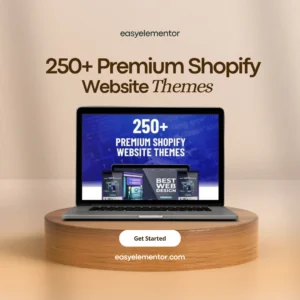 Bundles
250+ Shopify Premium Themes
Rated 4.22 out of 518 reviews$ 36.00Original price was: $ 36.00.$ 15.00Current price is: $ 15.00. -
-56%
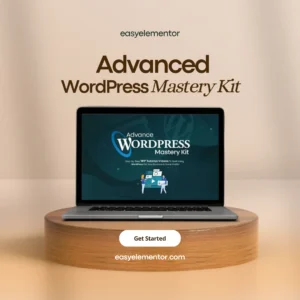 Bundles
Advance WordPress Mastery Kit
Rated 4.45 out of 511 reviews$ 27.00Original price was: $ 27.00.$ 12.00Current price is: $ 12.00. -
-48%
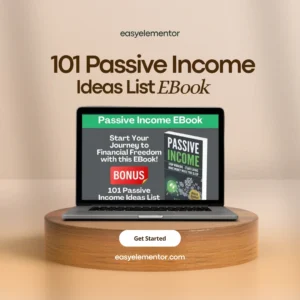 PLR eBooks for Resale
Passive Income EBook | Make Money Online with Ebooks
Rated 4.00 out of 518 reviews$ 25.00Original price was: $ 25.00.$ 13.00Current price is: $ 13.00. -
-84%
 Bundles
Midjourney Guide Artist Style : 200+ Artists & Techniques for Custom Image Generation | BONUS 100 Midjourney Prompts | Create Stunning Art
Rated 4.25 out of 524 reviews$ 58.00Original price was: $ 58.00.$ 9.00Current price is: $ 9.00. -
-65%
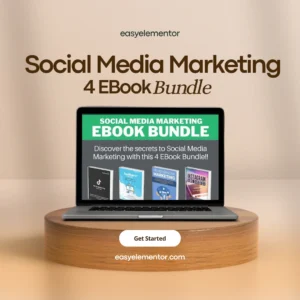 Bundles
Social Media Marketing EBook Bundle | TikTok | Facebook | Instagram | Twitter
Rated 4.44 out of 527 reviews$ 26.00Original price was: $ 26.00.$ 9.00Current price is: $ 9.00. -
-86%
 Bundles
17500+ ChatGPT Prompts | 720+ Categories for Unmatched Growth
Rated 4.58 out of 512 reviews$ 65.00Original price was: $ 65.00.$ 9.00Current price is: $ 9.00. -
-67%
 Bundles
Davinci Resolve Templates
Rated 4.63 out of 519 reviews$ 36.00Original price was: $ 36.00.$ 12.00Current price is: $ 12.00. -
-64%
 Bundles
25+ Phone Mockups For Designers .PSD
Rated 4.56 out of 59 reviews$ 25.00Original price was: $ 25.00.$ 9.00Current price is: $ 9.00.
Done for You Digital Products With Resell Rights
Done‑for‑you digital products—such as ready‑made courses, ebooks, templates, and planners—let you launch an online offer without writing every asset from scratch, but success depends on adding real value, not just uploading a zip file. When you combine solid licensing (Resell Rights, Master Resell Rights, or Private Label Rights) with a clear niche, trustworthy brand, and strong customer experience, these products can become durable digital assets rather than short‑lived trends.
What are Resell Rights?
Resell rights are licenses that tell you exactly how you can legally profit from someone else’s digital product—what you can sell, how you can brand it, and whether your buyers can resell it too. Understanding the differences between Basic Resell Rights (RR), Master Resell Rights (MRR), and Private Label Rights (PLR) is critical before you upload anything to Shopify, WooCommerce, or Etsy.
-
Basic Resell Rights (RR): You can sell the product to end customers, keep the revenue, but usually cannot pass on resell rights or modify the content beyond light presentation tweaks.
-
Master Resell Rights (MRR): You can sell the product and also sell the right for your customers to resell it themselves, effectively selling a “business in a box,” but often with strict rules about editing or rebranding.
-
Private Label Rights (PLR): You’re allowed to heavily edit, re‑write, re‑design, and publish under your own brand, sometimes even claiming authorship, as long as you follow the specific license terms.
Because each vendor defines their own license conditions, always read the usage terms from the source (for example PLR Database, PLR.me, BuyQualityPLR, or Entrepedia) and keep copies of the license files in your records. Mixing up RR, MRR, and PLR or ignoring restrictions such as “no giveaway” or “no Amazon KDP” can cause disputes, DMCA complaints, and platform account issues later.
Benefits of Reselling Digital Products
Reselling licensed digital products is attractive because you can tap into proven topics with very low marginal cost per sale. Once the product is set up in your storefront and automated delivery is configured, you can sell the same file thousands of times without inventory or shipping overhead.
Key benefits include:
-
Low startup costs: Your main expenses are licensing, branding, and marketing tools rather than manufacturing, logistics, or warehousing.
-
Fast time to market: Instead of spending months building a course or ebook from scratch, you start with a complete product and focus on tailoring it to your audience.
-
High scalability: Platforms like Shopify (via its Digital Downloads app), WooCommerce, and Easy Digital Downloads handle unlimited file delivery as your sales grow.
-
Global reach: Digital products can be sold to customers worldwide via search, social, email, and marketplaces without customs or freight.
However, sustainable income usually comes from specialization—serving a specific niche with curated, improved products—rather than pushing generic PLR or MRR bundles to “everyone.”
Legal Considerations and Compliance
Licensing and copyright are the foundation of any resell‑rights business, and ignoring them can lead to DMCA takedown notices, payment processor disputes, or account suspensions. You must treat every product as copyrighted material owned by the original creator and operate within the exact permissions they grant you.
Important legal best practices:
-
Follow the license, not assumptions: Check whether your license allows editing, rebranding, resale of rights, or use on specific platforms; PLR, MRR, and RR all differ.
-
Respect copyright frameworks: Laws such as the U.S. Digital Millennium Copyright Act (DMCA) enable rights holders to request removal of infringing content via formal takedown notices.
-
Keep documentation: Store invoices, license PDFs, and emails proving you legitimately acquired the rights, especially when selling on marketplaces that may ask for proof.
-
Use DMCA correctly: If your product is copied, you can file a DMCA takedown with hosts or platforms, but the notice must be accurate, in a valid format, and in good faith.
Google’s spam and low‑quality content policies also apply: large‑scale, unmodified, duplicate content created mainly to rank rather than help users is increasingly down‑ranked by recent core updates. To stay compliant and competitive, always add your own expertise, original examples, and updated information instead of publishing PLR word‑for‑word.
Find Your Target Market
Resell‑rights products perform best when they solve specific problems for clearly defined groups, such as fitness coaches, Etsy printable buyers, or Shopify beginners. Rather than listing random bundles, create detailed buyer personas and validate that there is genuine demand for the topic.
Audience Research and Buyer Personas
Start by mapping out who you serve: their demographics, skills, goals, and daily challenges. For example, “new solopreneur coaches in the US who struggle with creating content and want plug‑and‑play client resources” is far more actionable than just “people who want passive income.”
To do this, you can:
-
Analyze social media communities and hashtags related to PLR, MRR, and digital marketing to see what types of content people engage with.
-
Study followers and customers of established PLR brands (such as PLR.me or Tools for Motivation) to understand their interests and budgets.
-
Run surveys or short interviews with your existing audience to uncover what formats they prefer—checklists, Notion templates, video lessons, or printable planners.
The more specific your persona, the easier it becomes to choose products, write sales copy, and improve content in ways that feel genuinely helpful, which aligns with Google’s people‑first content guidance.
Demand Assessment
Before committing to a full catalog, validate that people are actively searching for and buying similar products. You can:
-
Use tools like Google Trends to gauge interest in topics such as “content planner,” “Notion templates,” or “budgeting workbook” over time.
-
Check marketplaces (Etsy, Creative Market, Gumroad) for top‑selling digital downloads in your niche to see pricing, reviews, and gaps.
-
Analyze performance of your current offers and test new ideas with pre‑orders, beta pricing, or “founders’ launches” before fully building funnels.
Demand validation not only reduces risk but also helps you prioritize which PLR or MRR licenses to buy and customize first.
Sourcing Digital Products
Your business is only as strong as the products you resell, so treat sourcing as seriously as product creation. Quality, originality, and clear licensing are more important than simply finding the biggest bundle for the lowest price.
Where to Find High‑Quality Licensed Products
You can acquire PLR, MRR, and RR products from specialist marketplaces as well as individual creators. Popular options include:
-
PLR Database and BuyQualityPLR for broad catalogs of ebooks, courses, and marketing materials across many niches.
-
PLR.me, Content Sparks, and Tools for Motivation for higher‑end coaching, business, and personal‑development content.
-
Free and low‑cost PLR libraries like Entrepedia for starter products you can rebrand and bundle.
As trends shift, watch for growing demand in software tools, online business education, AI prompts, and digital planners, which consistently perform well as digital downloads.
Evaluating Suppliers and Creators
Before buying licenses in bulk, evaluate the seller like a long‑term partner.
Look for:
-
Strong content quality: Clear writing, accurate information, professional design, and up‑to‑date references; avoid products that look like machine‑spun content.
-
Transparent licensing: Well‑written terms clarifying whether you can edit, rebrand, bundle, or pass on resell rights, and where you may or may not sell (e.g., Amazon, Kindle, Udemy).
-
Responsive support: Sellers who answer questions promptly and can provide replacement files or corrections if needed.
Checking reviews, testimonials, and how long the brand has been in business can further reduce the risk of buying low‑quality or improperly licensed content.
Creating Your Value Offer
Your value offer is what differentiates you from hundreds of other people who may own the same base PLR or MRR file. By combining thoughtful branding, targeted improvements, and strategic packaging, you turn a generic product into a specific solution your audience recognizes as uniquely helpful.
Branding and Product Development
Start by defining a brand identity that signals expertise and consistency in your niche: name, logo, color system, tone of voice, and promises you consistently keep. For example, a brand that focuses on “evidence‑based productivity for creators” can tailor its PLR products with peer‑reviewed sources, case studies, and implementation checklists.
With PLR especially, you should:
-
Rewrite sections to reflect your experience or methodology and update data, screenshots, and examples to current tools and platforms.
-
Localize content where relevant (currency, legal references, or cultural examples) to better match your target audience.
-
Add implementation aids like Trello boards, Notion dashboards, or spreadsheet calculators that go beyond the original file.
These improvements both differentiate your offer and align with Google’s call for original, high‑value content based on real‑world expertise and experience.
Creating Bundles and Packages
Bundling related assets into a cohesive system often delivers more perceived value than selling individual files. For instance, instead of one PLR ebook on email marketing, you might offer:
-
A core ebook,
-
Swipe files for welcome sequences,
-
Canva templates for lead magnets, and
-
A tracking spreadsheet for campaign KPIs.
You can organize offers in tiers such as:
-
Basic: A single resource or mini‑bundle for beginners.
-
Premium: A full toolkit with templates, scripts, and video training.
-
VIP: Everything in Premium plus coaching sessions, audits, or community access.
Time‑boxed offers—like a “Q4 Black Friday Funnel Kit” or “New Year Productivity Pack”—can create urgency while addressing seasonal needs your audience already has.
Pricing Strategies
Pricing resell‑rights digital products is a balance between perceived value, market expectations, and your desired margin. Because your marginal cost per sale is near zero, you can experiment aggressively with price points and bundles while protecting your brand positioning.
Competitive Pricing Analysis
Start by mapping the price landscape for comparable products in your niche. Analyze:
-
PLR and MRR offers on specialist sites such as PLR Database, BuyQualityPLR, and PLR.me.
-
Digital downloads in your category on Shopify stores, Etsy, Creative Market, or Gumroad.
-
Course prices on platforms like Udemy or Teachable for similar outcomes.
Track prices, formats, bonuses, and refund policies to see where you can either undercut bloated offers or justify a premium through depth and support.
Determining Price Points
Once you know the market ranges, decide where your brand belongs: budget, mid‑range, or premium. Factor in:
-
Licensing and customization costs.
-
Ongoing expenses like email tools, cart software, and ad spend.
-
The time and expertise you invest into improving and supporting the product.
Digital products often target healthy margins (50%+ after marketing) because delivery and fulfillment are automated. You can test:
-
Introductory or “founder” pricing to gain initial reviews.
-
Tiered pricing with clear comparisons between bundle levels.
-
Order‑bump and upsell flows (e.g., templates added to a course purchase) to increase average order value.
Monitor conversion rates and refund patterns to refine pricing rather than treating it as fixed forever.
Marketing and Sales Tactics
Even the best PLR‑based product won’t sell itself; you need consistent, multi‑channel promotion that emphasizes outcomes, not just “resell rights.” Combining targeted ads, email marketing, and social content gives you both reach and relationship‑building.
Online Advertising
Pay‑per‑click (PPC) ads on Google, Meta (Facebook/Instagram), TikTok, and YouTube can drive traffic directly to your sales pages or lead magnets. Focus your campaigns on specific problems and results, such as “Done‑for‑you client onboarding kit for coaches” rather than generic “MRR course.”
Use A/B testing to optimize:
-
Headlines and angles (quick win vs. deep transformation).
-
Creative formats (short vertical video, carousel graphics, static images).
-
Offers (discount vs. added bonus).
Be aware that DMCA takedown disputes or copyright issues can lead ad platforms to pause or reject campaigns, so originality and clean licensing are critical for long‑term paid traffic.
Email Marketing Campaigns
Email remains one of the most reliable channels for selling digital products because it allows for education, storytelling, and follow‑up sequences. Use lead magnets—often built from PLR and then customized—to grow your list with relevant subscribers.
Effective email practices include:
-
Segmentation by interest and behavior (e.g., list‑building, productivity, or design templates).
-
Automated welcome and nurture sequences that deliver quick wins and introduce your best offers.
-
Launch campaigns for new bundles with deadlines, social proof, and behind‑the‑scenes content.
Well‑structured campaigns not only drive sales but also create engagement signals and brand mentions that indirectly support your organic visibility.
Social Media Promotion
Social platforms are ideal places to demonstrate how your digital products actually work. Short tutorials, before‑and‑after transformations, and customer success stories help build trust far more than static product screenshots.
You can:
-
Use Instagram Reels, TikTok, or YouTube Shorts to show real workflows using your templates or mini‑courses.
-
Host live sessions or webinars that end with a time‑limited offer for a bundle.
-
Collaborate with influencers or micro‑creators in your niche by giving them review copies or affiliate links.
The goal is to show practical value and real use cases rather than just talking about “passive income,” which improves both conversions and compliance with Google’s emphasis on first‑hand experience.
Building Your Online Store
A solid technical setup ensures customers can easily discover, purchase, and receive your digital products without friction. Whether you choose Shopify, WooCommerce, or a dedicated downloads plugin, prioritize reliability and user experience.
eCommerce Platform Selection
Leading options for selling resell‑rights digital products include:
-
Shopify with the official Digital Downloads app, ideal for creators who want a hosted solution and easy integrations.
-
WooCommerce on WordPress, best for those who want deep customization and control, especially when paired with downloadable‑product extensions.
-
Easy Digital Downloads (EDD), a WordPress plugin built specifically for selling digital files like ebooks and software.
Consider transaction fees, available payment gateways in your target countries, support for VAT/tax rules, and how easily you can add upsells and bundles.
Website Design and Usability
Your store should make it effortless for visitors to understand what you sell, why it matters, and how to buy it. Good practice includes:
-
Clean layout, strong typography, and responsive design that works well on mobile.
-
Clear product pages with benefit‑driven headlines, detailed descriptions, preview images, and FAQs.
-
Streamlined checkout, with shipping disabled for digital products and automated email delivery of download links after payment.
Plugins and apps from Shopify or WooCommerce can automatically generate unique, expiring download links and allow customers to re‑download purchases from their account area.
Customer Service and Support
Customer service is a key differentiator in a space where many sellers simply upload files and disappear. Helpful, timely support builds trust, encourages reviews, and reduces refunds and disputes.
Handling Customer Inquiries
Set up at least one reliable support channel, such as email, a ticketing system, or live chat, and communicate expected response times on your site. A well‑structured knowledge base or FAQ can answer common questions like “How do I edit this Canva template?” or “What can I legally do with this PLR pack?” before they turn into tickets.
Logging and categorizing inquiries will reveal patterns: confusing instructions, unclear licensing, or technical issues with downloads that you can fix at the product or page level.
Managing Refunds and Returns
Digital products are often non‑refundable, but many successful brands still offer limited guarantees to reduce buyer anxiety. Whatever policy you choose, state it clearly on product pages and again at checkout.
Best practices include:
-
Providing reasonable support to help customers use the product before jumping to refunds.
-
Processing valid refunds promptly to maintain goodwill and avoid payment disputes.
-
Tracking refund reasons to refine product positioning and onboarding materials.
Encouraging honest reviews from satisfied users adds social proof that can lower refund rates and increase conversions.
Scalability and Growth
Once you have a working product–market fit and reliable sales process, you can focus on scaling rather than constantly starting over. Resell‑rights products are especially well suited to scaling because content creation is partially outsourced while marketing and optimization stay in your control.
Strategies for Business Expansion
Common growth levers include:
-
Product line expansion: Add complementary products (like upsell templates, advanced modules, or niche variations) built from PLR, MRR, or original content.
-
Channel diversification: Sell not only via your own site but also through marketplaces, affiliate programs, and niche platforms where your audience already shops.
-
Automation: Use tools for email sequences, customer tagging, order fulfillment, and analytics so you can focus on strategy and content improvements.
Partnerships such as bundle collaborations, white‑label deals, or co‑created products with complementary brands can open up entirely new audiences.
Customer Feedback for Improvement
Continuous feedback loops keep your products relevant and competitive. You can gather insights through:
-
Post‑purchase surveys and NPS (Net Promoter Score) questions.
-
Heatmaps and analytics on sales and lesson pages to see where people drop off.
-
A private community or email replies where customers share wins, obstacles, and feature requests.
A/B testing product titles, sales page layouts, and bonus structures can reveal small changes that significantly increase conversion and customer satisfaction.
Protecting Intellectual Property
Even when you legally licensed the content, you must protect your own added work—branding, edits, and custom assets—from unauthorized copying. At the same time, you must avoid infringing the IP of others when using PLR or MRR.
Enforcing Copyrights and Licenses
To safeguard your enhanced products:
-
Include clear terms of use or end‑user license agreements (EULAs) explaining what buyers can and cannot do with your product.
-
Use watermarks on preview images, protected download links, and systems that generate unique URLs for each customer.
-
Monitor marketplaces and search engines for direct copies of your branding or product text using manual searches or monitoring tools.
If you find infringement, document evidence and contact the infringer first; if that fails, platforms and hosts typically support DMCA takedown processes.
Handling Copyright Infringement
The DMCA and similar frameworks give you a structured path to have infringing material removed from platforms and hosting providers when properly documented. A valid notice usually requires accurate identification of the copyrighted work, the infringing material’s URL, your contact details, and a sworn statement of good faith.
Because takedown notices are legal documents, consider legal advice for complex cases and avoid misusing the process against competitors, which can backfire. Educating your customers about what their license allows can also prevent unintentional misuse and strengthen your reputation as a professional, ethical seller.
Final Thoughts
Done‑for‑you digital products with resell rights are powerful leverage for creators, coaches, and marketers who want to sell valuable offers without starting from a blank page. The real edge comes not from the license alone but from how you adapt the content, position it for a clear audience, and support customers over time.
Aligning with Google’s helpful content and E‑E‑A‑T principles means prioritizing original insights, user experience, and transparency over quick‑win “copy‑paste” tactics. When you combine solid legal compliance, thoughtful branding, entity‑rich content, and ethical marketing, a resell‑rights business can grow into a stable, long‑term digital brand rather than a short‑lived trend.
Frequently Asked Questions
What are the best sources to find digital products with resell rights?
Reputable PLR and MRR marketplaces include PLR Database, BuyQualityPLR, and PLRproducts.com, which host thousands of ebooks, courses, and marketing tools with clear licensing terms. For higher‑end, niche‑specific content, many marketers rely on platforms like PLR.me, Content Sparks, and Tools for Motivation, especially in coaching and personal‑development markets.
Is it legal to resell digital products I have purchased?
It is legal to resell digital products only when you have acquired an appropriate license—Resell Rights, Master Resell Rights, or PLR—that explicitly grants permission to sell. You must comply with the exact terms of that license, which may restrict editing, passing on rights to buyers, or selling on certain platforms.
What distinguishes Master Resell Rights from Private Label Rights products?
Master Resell Rights generally let you sell the product as‑is and allow your buyers to resell it too, but typically limit how much you can alter the underlying content or branding. Private Label Rights, by contrast, are designed for heavier customization: you can edit, rebrand, and often claim authorship, subject to the vendor’s specific rules.
How can I identify quality digital products with resell rights?
High‑quality products come from established vendors with clear licenses, detailed product previews, and positive reviews from other buyers. Check sample pages for accurate information, clean design, and up‑to‑date examples, and avoid offers that appear to be low‑effort AI output or heavily duplicated across the web.
Can Private Label Rights (PLR) products be resold under my own brand?
Yes, PLR licenses are usually designed to let you edit, re‑title, and publish content under your own brand name, often with your logo and domain. Always confirm the license terms, because some PLR vendors restrict certain uses such as listing on Kindle or redistributing the raw source files as PLR.
What types of digital products are most profitable to resell?
Ebooks, video courses, software tools, and editable templates (such as Canva designs, spreadsheets, and planners) tend to perform well when they solve specific, persistent problems for a defined audience. Evergreen topics like personal finance, productivity, health, marketing, and online business education often generate consistent sales over time when paired with strong branding and support